


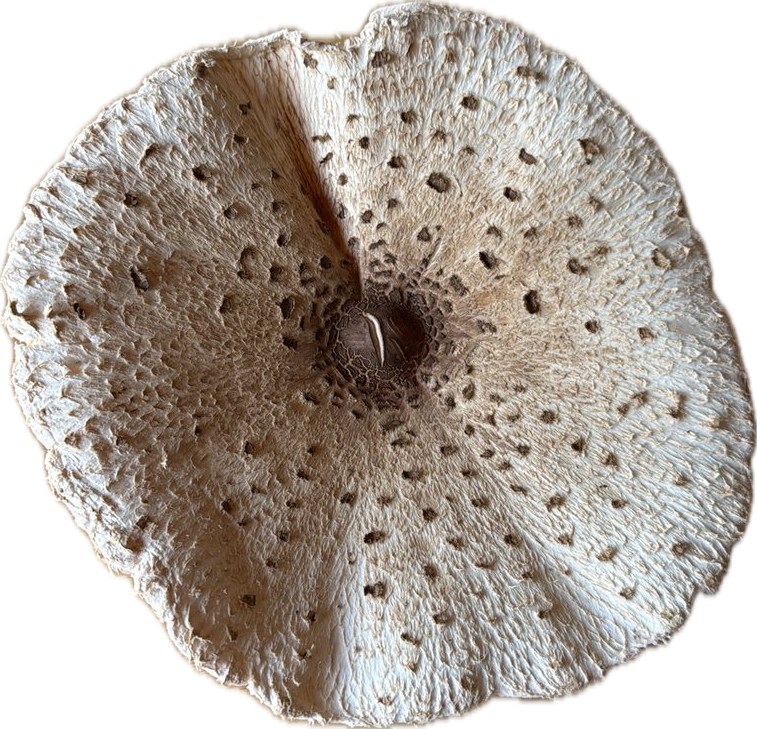
An ingredient
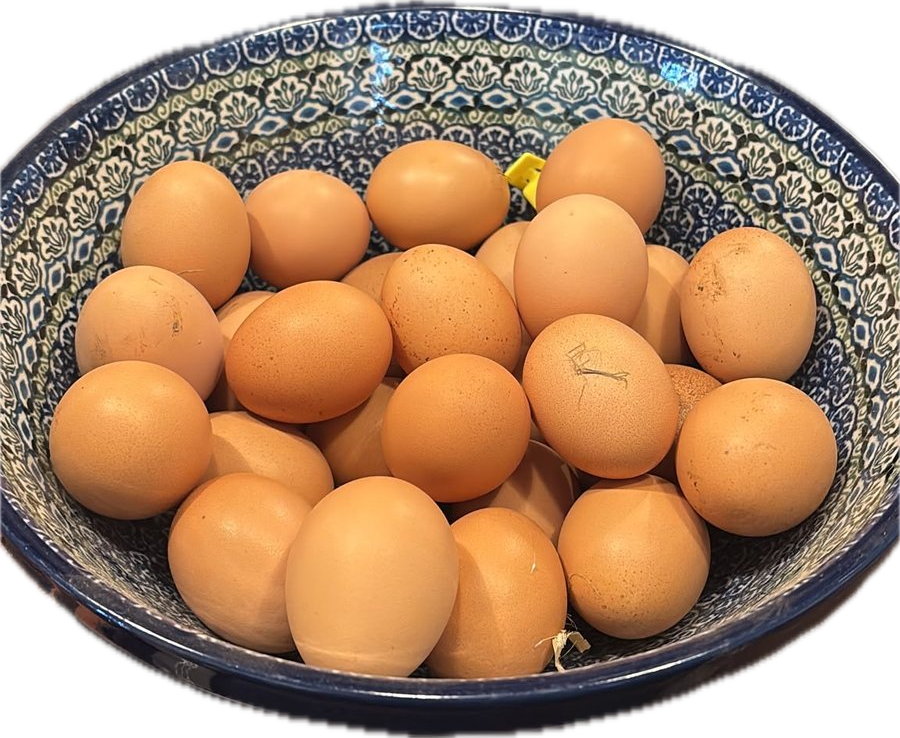
Something we grow, forage or get from a neighbour, taken as far as it goes.
Open call · Winter 2027
Four to six weeks at a farmhouse in the Montseny. Board, lodging and the run of everything edible we grow. In exchange we ask one thing: you leave something behind that outlasts your stay.

Can Brull is a working farmhouse with a vegetable patch, an orchard, an edible forest and, every autumn, woods full of mushrooms waiting to be foraged. The protein comes from neighbours who raise it a few kilometres down the road. We have a 300-year-old wood-fired bread oven, a few Mallmann-style fire rigs, our first fermentation experiments (some of them in clay pots we designed ourselves) and a long list of ideas we haven't had time to chase. What we're short of is people who know what to do with a glut of tomatoes in August, or how to get the most out of an oven that has been baking for three centuries.
So we are starting this now. Each season we run two residencies, one after the other. One resident at a time, four to six weeks each, with the run of the farm. You cook, ferment, dig, burn, test and fail on our produce and our firewood, and you go home having made something that stays: a method, a structure, a living thing in the ground. Whatever money it makes afterwards, we split.
Pick one, or tell us about something else.
Something we grow, forage or get from a neighbour, taken as far as it goes.
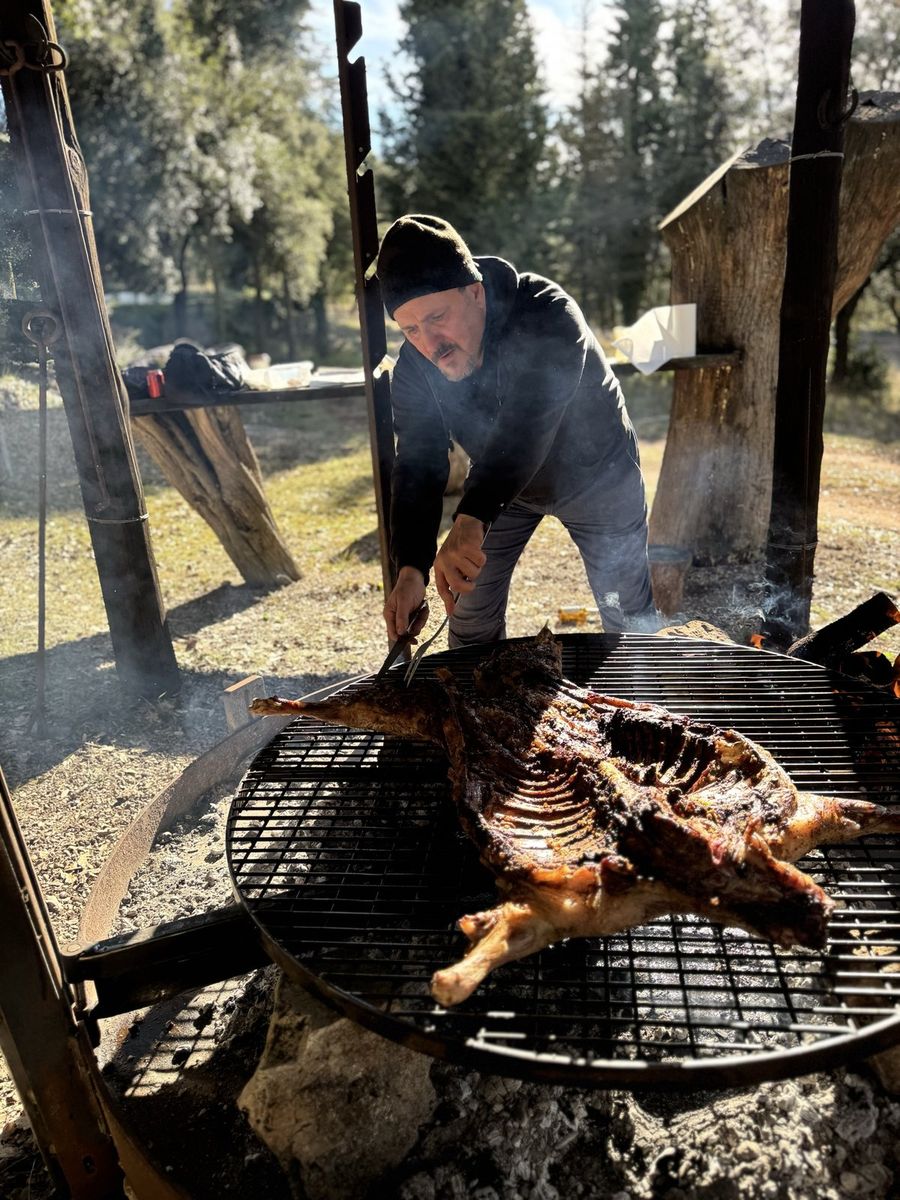
Fire, fermentation, the bread oven, curing. A way of cooking the farm can keep using.
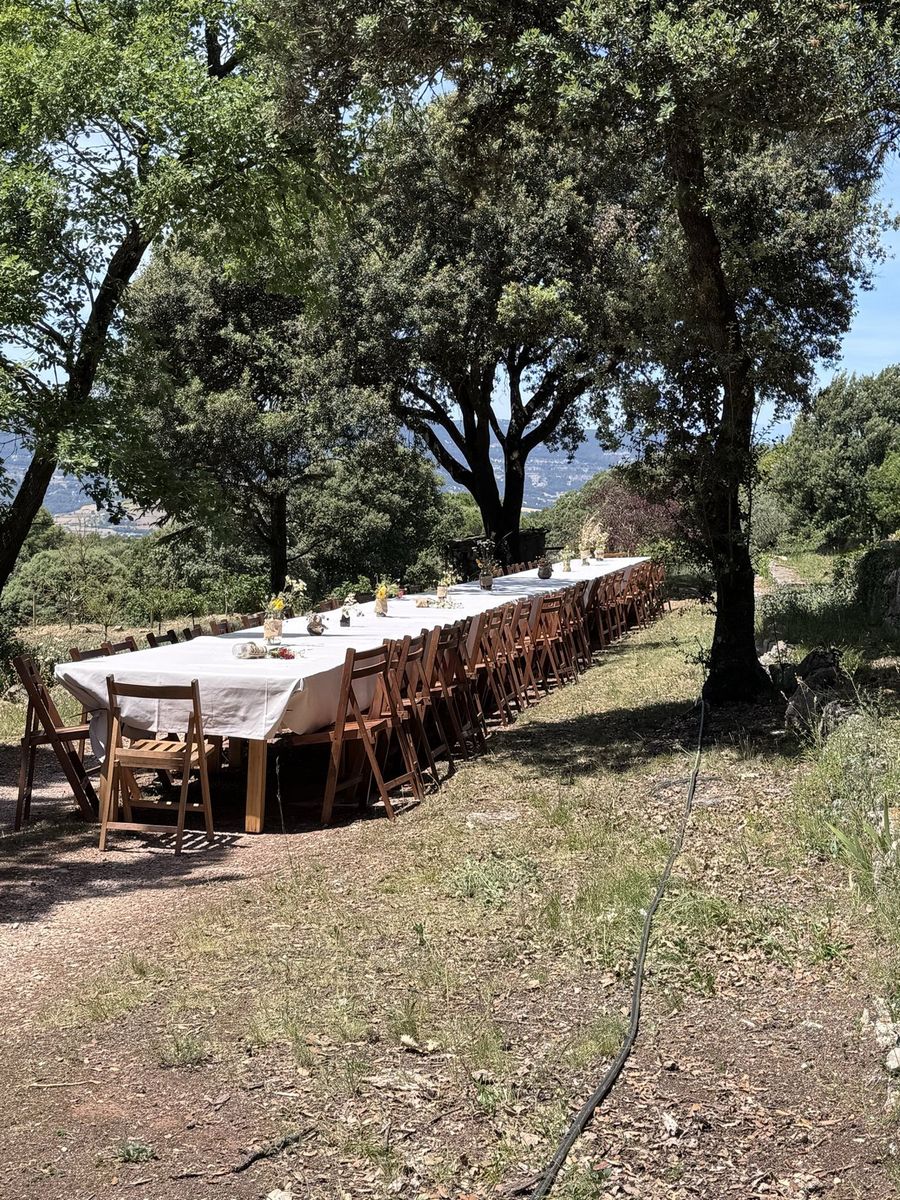
A dinner, a series, a format we can run again after you leave.
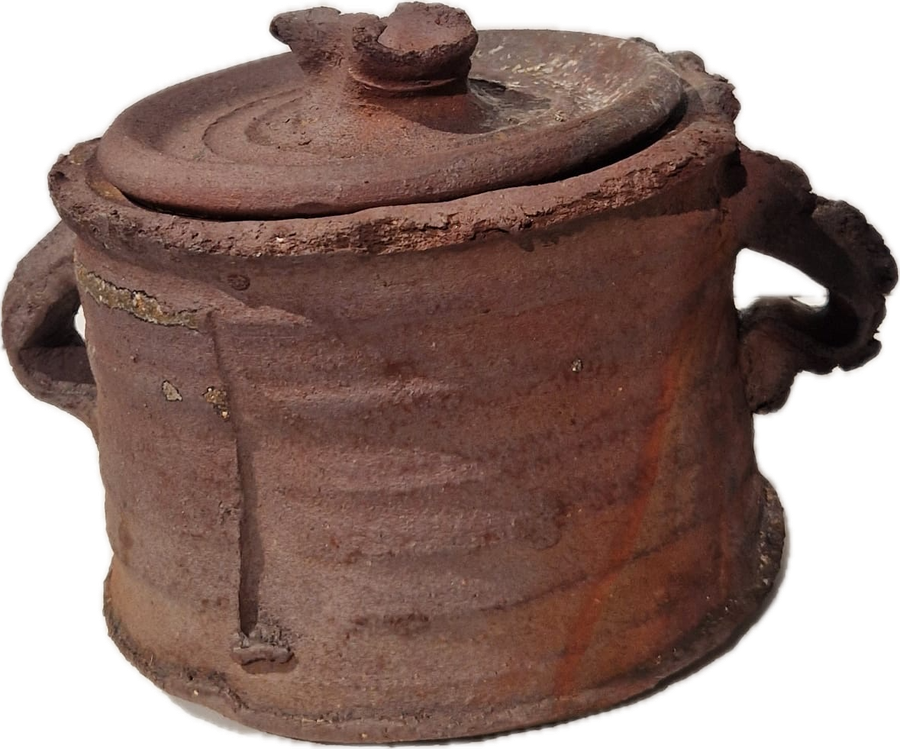
Something Can Brull can keep making, with both our names on it.
Tell us. If it answers the three questions, it fits.
This is the one hard condition. The residency is done when Can Brull can keep doing the thing without you. Proposals usually fall into three kinds, and any of them works for us.
Built
An oven, a smoker, a drying loft, a fermentation cellar. It stays on the farm, and you can use it whenever you come back.
Living
A mushroom patch, a herb spiral, an edible hedge, a vinegar mother. Living work needs tending, so tell us who or how it gets looked after once you have gone.
Method
A process written down well enough that someone who never met you can follow it next season and get the same result.
Before we say yes, your proposal has to answer three questions: who looks after this once you've gone, what does it cost per year, and what happens if nobody touches it for six months. If it can't survive those three, it's a workshop. We like workshops too, but this isn't that.
We don't pay a fee and we don't charge one. If your work makes money (a dinner, a workshop, a product, a method someone licenses), we both earn from it. The first thing that income does is pay back whatever we bought to make it happen.
We put the terms in writing before you arrive. Both sides sign, and the whole thing fits on a page.
Two residencies a season, one after the other, four to six weeks each. Each resident leaves the next one notes on what's in the ground, what's in the jars and what broke. Each season has its own work, and what one leaves behind is there for the next.
Winter 2027
First: arrive 15 to 31 January, ends 28 February. Second: arrive 1 to 15 March, ends 15 April.
Quiet months. The season for building: the oven, the cellar, the structure.
Spring 2027
First: arrive 15 to 30 April, ends 31 May. Second: arrive 1 to 15 June, ends 15 July.
Wild greens, first shoots, the edges of the farm and the woods.
Summer 2027
First: arrive 15 to 31 July, ends 31 August. Second: arrive 1 to 15 September, ends 15 October.
Long evenings, cooking outside, the table under the trees.
Autumn 2027
First: arrive 15 to 31 October, ends 30 November. Second: arrive 1 to 15 December, ends 15 January.
The glut arrives and the woods fill with mushrooms. Ferments, preserves, everything that must be caught.
A page is enough. What you'd make, why it needs this place, and who looks after it when you've gone. We read everything and we answer everyone.
Or write to info@canbrull.com with the subject line “Residency”.